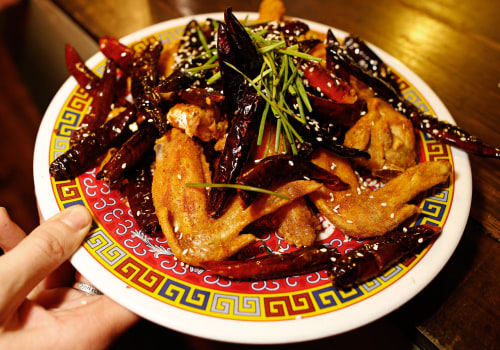
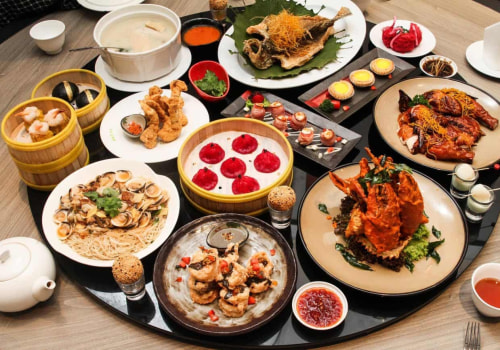
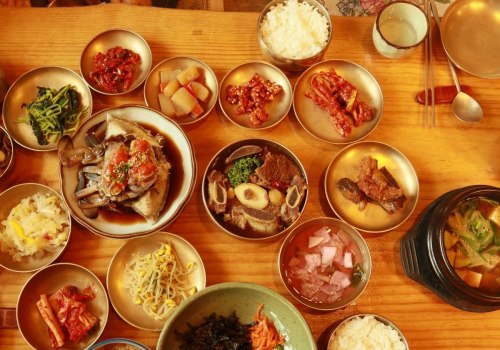
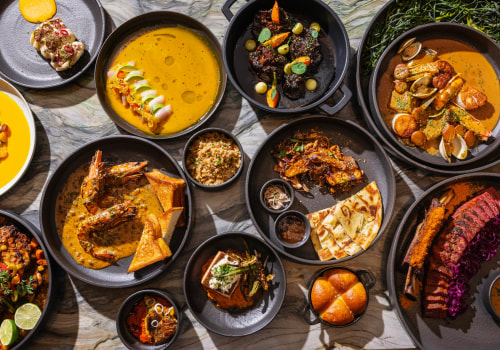
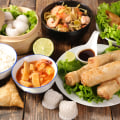
Asian food culture is rich with history, traditions, regional variations, and centuries-old culinary practices. From Japanese sushi and ramen to Chinese dim sum, Korean barbecue, Thai street food, and Filipino regional specialties, every dish carries stories that reflect the heritage and values of the communities that created them. Traditionally, learning about these culinary traditions required travel, books, documentaries, or in-person cultural experiences. However, advances in digital technology are transforming how people explore and understand food culture. Among the most innovative developments are augmented reality (AR) web applications, which are making cultural education more interactive, accessible, and engaging than ever before.
Making Culinary Education More Interactive
One of the greatest advantages of augmented reality web applications is their ability to transform passive learning into active exploration. Instead of simply reading descriptions of traditional dishes, users can interact with digital content layered onto the real world through their smartphones, tablets, or web-enabled devices. This creates a more immersive educational experience that helps users better understand ingredients, preparation methods, and cultural significance.
For example, an AR web application may allow users to scan an image of a dish and instantly view three-dimensional representations of its ingredients. Interactive visual elements can explain how various components are prepared, sourced, or combined. By making information more visual and engaging, AR technology helps learners retain knowledge while fostering curiosity about different culinary traditions across Asia.
Exploring Regional Diversity in Greater Detail
Asian cuisine is incredibly diverse, with each country containing numerous regional cooking styles and unique food customs. Augmented reality applications make it easier for users to explore these differences in ways that traditional learning methods often cannot. Through interactive maps, virtual food tours, and digital storytelling features, users can discover how geography, climate, agriculture, and history influence regional cuisines.
A user learning about Chinese cuisine, for instance, can compare dishes from Sichuan, Cantonese, Hunan, and Beijing culinary traditions through interactive experiences that highlight distinctive ingredients and cooking techniques. Similarly, someone interested in Japanese cuisine can virtually explore differences between regional specialties from Hokkaido, Osaka, Kyoto, and Okinawa. These experiences help users develop a deeper appreciation for the complexity and diversity of Asian food culture.
Connecting Food With Cultural Heritage
Food is more than nourishment; it is closely connected to identity, family traditions, celebrations, and historical events. Augmented reality web applications provide opportunities to present these cultural stories alongside the dishes themselves. By integrating multimedia content such as videos, animations, audio recordings, and historical narratives, AR experiences help users understand the cultural context behind the food they encounter.
For example, a user viewing a traditional festival dish may also learn about the holiday associated with it, the customs surrounding its preparation, and the historical significance it holds within a community. This holistic approach transforms food education into cultural education, allowing users to gain a more meaningful understanding of Asian traditions and values.
Increasing Accessibility and Global Awareness
One of the most significant benefits of web-based AR technology is accessibility. Unlike specialized applications that require downloads or advanced hardware, web-based experiences can often be accessed directly through standard internet browsers. This makes educational content available to a broader audience regardless of location.
Innovative platforms such as the VALSER web app demonstrate how web technologies can create engaging digital experiences that help users interact with information in more meaningful ways. As AR capabilities continue to improve, similar tools are expected to play an increasingly important role in food and cultural education.
The Future of Food Culture Learning
As augmented reality technology becomes more sophisticated, its influence on culinary education is likely to grow. By combining visual learning, interactive exploration, and cultural storytelling, AR web applications offer new ways for people around the world to engage with Asian food traditions. These technologies help bridge cultural gaps, encourage curiosity, and make learning about diverse cuisines more immersive and enjoyable. In doing so, they are transforming the way people discover, appreciate, and connect with the rich and varied food cultures of Asia.