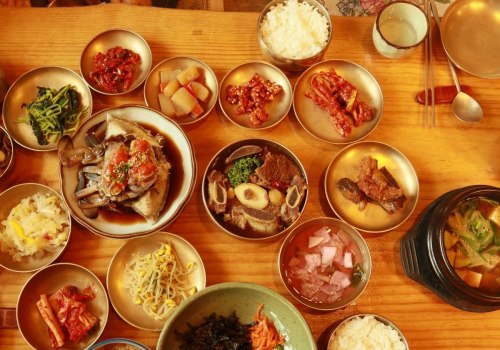
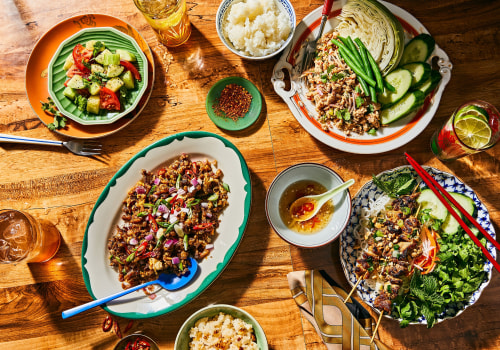
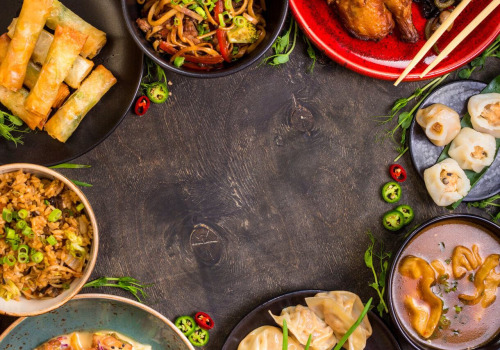
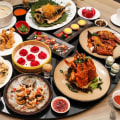
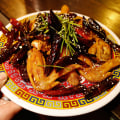
The restaurant industry is constantly evolving, with chefs and diners alike seeking new ways to explore flavor, culture, and culinary creativity. While many Asian ingredients such as soy sauce, ginger, sesame oil, and coconut milk have become familiar staples in kitchens around the world, a growing number of lesser-known ingredients are beginning to attract attention from restaurants and food enthusiasts. Ingredients once limited to regional markets and traditional family recipes are now appearing on menus in major cities across the globe. This shift reflects broader changes in consumer tastes, increased cultural curiosity, and a growing appreciation for authentic culinary experiences.
Diners Are Seeking More Unique Food Experiences
One of the primary reasons lesser-known Asian ingredients are gaining popularity is the growing demand for unique dining experiences. Modern diners are often interested in discovering flavors they have never encountered before. Rather than ordering familiar dishes repeatedly, many consumers now seek opportunities to explore ingredients that offer distinctive taste profiles and cultural significance.
Ingredients such as pandan, shiso, calamansi, finger root, galangal, yuzu kosho, fermented black garlic, and various regional mushrooms are increasingly finding their way into restaurant menus. These ingredients provide chefs with opportunities to introduce guests to unfamiliar flavors while creating dishes that stand out in a competitive dining environment. The sense of discovery associated with trying something new often enhances the overall dining experience and encourages repeat visits.
Greater Access Through Global Supply Chains
Advances in global food distribution have made it easier for restaurants to source specialty ingredients that were once difficult to obtain outside their regions of origin. Importers, specialty food distributors, and international markets now offer a wider variety of products, allowing chefs greater freedom to experiment with authentic ingredients.
This increased availability has encouraged restaurants to move beyond simplified interpretations of Asian cuisine and explore more regional and traditional flavor profiles. As a result, diners are being introduced to ingredients that were previously unknown to many international audiences. The accessibility of these ingredients has played a major role in expanding culinary creativity while promoting greater cultural understanding.
Chefs Are Exploring Regional Culinary Traditions
Many chefs today are interested in showcasing the diversity of Asian cuisine rather than focusing solely on widely recognized dishes. Asia encompasses a vast range of culinary traditions, each with its own ingredients, preparation techniques, and cultural influences. By incorporating lesser-known ingredients, chefs can highlight regional specialties and tell more nuanced culinary stories.
For example, ingredients traditionally used in rural areas of Thailand, the Philippines, Indonesia, Vietnam, Korea, China, and Japan are now appearing in innovative restaurant concepts. These ingredients often bring distinctive aromas, textures, and flavors that cannot be replicated with more familiar substitutes. Their inclusion helps create dishes that feel authentic while offering diners new opportunities for exploration.
Social Media and Culinary Discovery
The rise of social media and digital food content has also contributed to the growing popularity of lesser-known Asian ingredients. Food enthusiasts regularly share discoveries, restaurant experiences, and culinary trends online, creating greater awareness of ingredients that were once considered niche.
Restaurants featured in culinary rankings and dining guides often gain attention for showcasing innovative ingredient combinations and unique flavor experiences. Publications and resources such as The Fifty Best Zurich Restaurants frequently highlight establishments that embrace creativity while introducing diners to new culinary influences. This exposure encourages both chefs and consumers to remain open to exploring ingredients beyond the familiar.
A Future Shaped by Culinary Curiosity
The growing interest in lesser-known Asian ingredients reflects a broader trend toward culinary exploration and cultural appreciation. Diners are increasingly eager to experience authentic flavors, learn about diverse food traditions, and expand their understanding of global cuisine. At the same time, chefs continue to seek ingredients that allow them to create memorable and distinctive dishes.
As awareness continues to grow, these ingredients are likely to become more visible in restaurants around the world. Their rise demonstrates how food can serve as a bridge between cultures, encouraging curiosity, creativity, and deeper appreciation for the rich culinary traditions that exist throughout Asia. Through thoughtful incorporation of these ingredients, restaurants are helping introduce diners to new flavors while preserving and celebrating diverse food heritages.